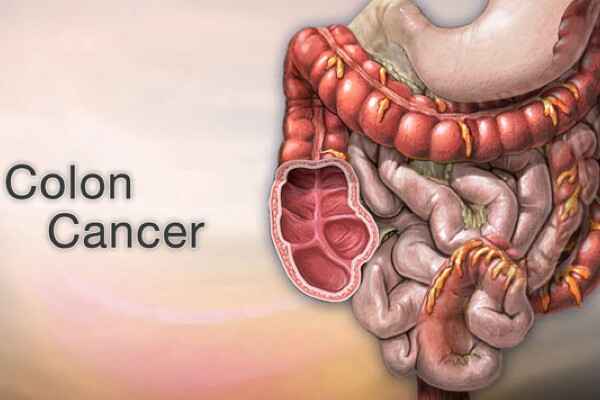
Colon cancer develops from (growths) in your colon’s inner lining. Healthcare providers have screening tests and treatments that detect and remove precancerous polyps. If untreated, colon cancer may spread to other areas of your body. Thanks to these tests, early treatment, and new kinds of treatment, fewer people are dying from colon cancer.Finding the right care for colon cancer is pivotal in the journey toward recovery our expert Dr.Lohith U in Bangalore are dedicated to offering comprehensive and cutting-edge treatments for colon cancer.
What is colon cancer?
Colon (colorectal) cancer starts in your colon, the long tube that helps carry digested food to your rectum and out of your body.
Colon cancer develops from certain polyps or growths in the inner lining of your colon. Healthcare providers have screening tests that detect precancerous polyps before they can become cancerous tumors. Colon cancer that’s not detected or treated may spread to other areas of your body. Thanks to screening tests, early treatment, and new kinds of treatment, fewer people are dying from colon cancer.
How does this condition affect people?
Your colon wall is made of layers of mucous membrane, tissue, and muscle. Colon cancer starts in your mucosa, the innermost lining of your colon. It consists of cells that make and release mucus and other fluids. If these cells mutate or change, they may create a colon polyp.
Over time, colon polyps may become cancerous. (It usually takes about 10 years for cancer to form in a colon polyp.) Left undetected and/or untreated, the cancer works its way through a layer of tissue, muscle, and the outer layer of your colon. The colon cancer may also spread to other parts of your body via your lymph nodes or your blood vessels.
Symptoms and Causes
Learn the six most common signs of colon cancer.
What are colon cancer symptoms?
You can have colon cancer without having symptoms. If you do have symptoms, you may not be sure if changes in your body are signs of colon cancer. That’s because some colon cancer symptoms are similar to symptoms of less serious conditions. Common symptoms of colon cancer include:
- Blood on or in your stool (poop): Talk to a healthcare provider if you notice blood in the toilet after you poop or after wiping, or if your poop looks dark or bright red. It’s important to remember blood in poop doesn’t mean you have colon cancer. Other things — from hemorrhoids to anal tears to eating beets — may change your poop’s appearance. But it’s always better to check with a healthcare provider any time you notice blood in or on your stool.
- Persistent changes in your bowel habits (how you poop): Talk to a healthcare provider if you have persistent constipation and/or diarrhea, or if you feel as if you still need to poop after going to the bathroom.
- Abdominal (belly) pain: Talk to a healthcare provider if you have belly pain with no known cause, that doesn’t go away or hurts a lot. Many things may cause belly pain, but it’s always best to check with a healthcare provider if you have unusual or frequent belly pain.
- Bloated stomach: Like belly pain, many things may make you feel bloated. Talk to a healthcare provider if your bloated belly lasts for more than a week, gets worse or you have other symptoms like vomiting or blood in or on your poop.
- Unexplained weight loss: This is a noticeable drop in your body weight when you’re not trying to lose weight.
- Vomiting: Talk to a healthcare provider if you’ve been vomiting periodically for no known reason or if you vomit a lot in 24 hours.
- Fatigue and feeling short of breath: These are symptoms of anemia. Anemia may be a sign of colon cancer.
What causes colon cancer?
Like all types of cancer, colon cancer happens when cells grow and divide uncontrollably. All cells in your body are constantly growing, dividing, and dying. That’s how your body remains healthy and working as it should. In colon cancer, cells lining your colon and rectum keep growing and dividing even when they’re supposed to die. These cancerous cells may come from polyps in your colon.
Medical researchers aren’t sure why some people develop precancerous colon polyps that become colon cancer. They do know certain risk factors increase people’s chances of developing precancerous polyps and colon cancer.
Those risk factors include certain medical conditions, including inherited conditions, and lifestyle choices. Having one or more risk factors for colon cancer doesn’t mean you’ll develop the condition. It just means you have increased risk. Understanding risk factors may help you decide if you should talk to a healthcare provider about your risk of developing colon (colorectal) cancer.
Prevention
Can colon cancer be prevented?
You may not be able to prevent colon cancer, but you can reduce your risk of developing the condition by managing risk factors:
- Avoid tobacco. If you smoke and want help quitting, talk to a healthcare provider about smoking cessation programs.
- Use moderation when you drink beverages containing alcohol.
- Maintain a healthy weight.
- Eat a healthy diet. Add fruit and vegetables to your diet and cut back on red meat processed foods, and high-fat and high-calorie foods. Drinking coffee may lower your risk of developing colon cancer.
- Keep track of your family medical history. Colon cancer can run in families. Tell your healthcare provider if your biological parents, siblings, or children have colon cancer or an advanced polyp or if any of your family has cancer before age 45.
- Follow colon cancer screening guidelines. Ask your healthcare provider when you should have colon cancer screening. If you have chronic irritable bowel disease or a family history of colon cancer, your healthcare provider may recommend you start screening earlier than age 45.
If you have colon cancer, ask your healthcare provider about newer treatments that may be appropriate for your situation. Contact our expert Dr Lohith U for best colon cancer treatment in Bangalore today to schedule your consultation and embark on a journey towards comprehensive and compassionate colon cancer care.