Gall bladder cancer is an abnormal growth of cells that begins in the gall bladder. The gall bladder is small pear-shaped, which is located at the side of your abdomen. Gall bladder cancer is uncommon. Treating cancer at an early stage is recommended.
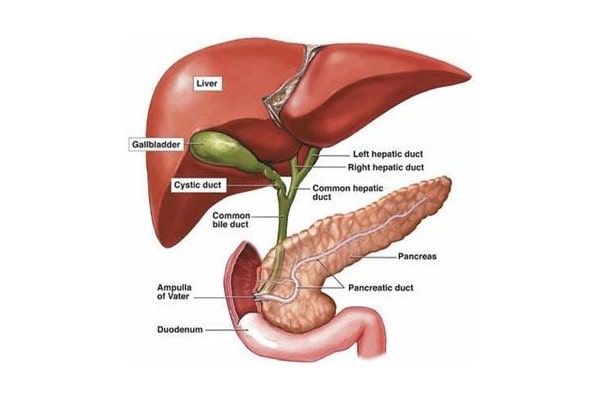
Gall bladder cancer may not be discovered until it's advanced because it often causes no specific signs or symptoms. Also, the relatively hidden nature of the gall bladder makes it easier for gall bladder cancer to grow without being detected.
Dr Lohith U is a board-certified laparoscopic and well-known
Gall Bladder Cancer Surgery Specialist in Sarjapur Road, Bangalore and holds a professional membership. He is currently practising at Manipal Hospital, Sarjapur Road Bangalore.
Types of Gallbladder cancers
There are several types of gall bladder cancer because there are many different types of cells in the gall bladder. Any of these cell types could, in theory, develop into cancer.
- Adenocarcinoma.
- Squamus call cancer
- Adenosquamous cancer
- sarcoma
- small cell cancer of the gallbladder
- neuroendocrine tumour
- Lymphoma and Melanoma
Risk Factors for gall bladder Cancer
Some Risk factors may increase the chances of causing Gallbladder cancer.
- Gallstones:- Gallstones are the most common ones. In some cases, a gallstone may turn into a risk factor. But no need to panic. In so many cases, people with gallstones never developed gall bladder cancer.
- Porcelain Gallbladder:- A porcelain gall bladder is a condition in which the gall bladder wall is covered with calcium deposits. It sometimes occurs after long-term inflammation of the gall bladder (cholecystitis), caused by gallstones. People with this condition have a higher risk of developing gall bladder cancer.
- Female Gender: Gall bladder cancer is much more common in women than men.
- Obesity: Being overweight or obese may act as a risk factor for gall bladder stones.
- Older Age: Cancer is seen in all age groups, but older people have more risk of developing gall bladder cancer.
- Smoking: Smoking is the most common risk factor for Gall bladder cancer development.
- Chemical exposure: Exposure to chemical or cancer-causing agents at chemical industries.
Symptoms of Gallbladder cancer
Gallbladder cancer signs and symptoms may include:
- Abdominal Pain
- Nausea or vomiting
- Jaundice
- Lumps in the belly
- Loss of appetite
- Weight loss
- Dark urine
- Swelling in the abdomen
- Light coloured or greasy stool
Best Doctor for Gall Bladder Cancer Treatment in Bangalore
Dr Lohith U is a reputed and famous Gall bladder cancer surgeon in Bangalore who has years of experience in treating numerous cancer patients. He provides the Best Gall Bladder Cancer treatment in Sarjapur Road at Manipal Hospital Sarjapur Road, one of the most trusted hospitals in Bangalore.
Frequently Asked Questions
Yes. In some cases, gall bladder cancer may be
detected during investigations for gallstones or other
gallbladder conditions before significant symptoms develop.
Early diagnosis improves treatment planning and may increase
the chances of successful
gall bladder cancer surgery in Bangalore.
Symptoms such as persistent upper abdominal pain, unexplained
weight loss, jaundice, loss of appetite, nausea, abdominal
swelling, or a lump in the abdomen should not be ignored.
Although these symptoms can occur in other conditions, they
require prompt medical evaluation to rule out
gall bladder cancer.
Diagnosing gall bladder cancer usually involves
imaging tests such as ultrasound, CT scan, MRI, or MRCP, along
with blood investigations and, when appropriate, tissue
analysis. These tests help determine the stage of the disease
and guide the most suitable treatment approach.
No. The treatment plan depends on the stage of the cancer,
whether it has spread, the patient's overall health, and other
clinical factors. Gall bladder cancer surgery
is generally considered when the disease is localized and
surgical removal offers the best chance of treatment.
The primary goal of gall bladder cancer surgery
is to remove the cancer completely while preserving as much
healthy tissue as possible. Depending on the stage of the
disease, the procedure may involve removal of the gallbladder
along with nearby tissues or lymph nodes to achieve the best
possible outcome.
Yes. If not treated promptly, gall bladder cancer
can spread to nearby structures such as the liver, bile ducts,
lymph nodes, or other abdominal organs. Early diagnosis and
timely treatment are important for improving outcomes.
Some patients may require additional treatments such as
chemotherapy, targeted therapy, or other supportive care
depending on the cancer stage, surgical findings, and pathology
reports. Your treatment plan will be individualized based on
your clinical condition.
Regular follow-up appointments help monitor recovery, detect
any recurrence at an early stage, evaluate overall health, and
manage treatment-related concerns. Periodic imaging and
clinical assessments are often part of long-term care after
gall bladder cancer treatment.
Yes. Eating a balanced diet, maintaining adequate nutrition,
staying physically active as advised, avoiding tobacco and
alcohol, and following medical recommendations can support
recovery and overall well-being after
gall bladder cancer surgery.
Yes. Detecting gall bladder cancer at an early
stage allows for more effective treatment options, including
surgery when appropriate. Early intervention can improve
treatment outcomes, reduce the risk of disease progression, and
support better long-term survival.