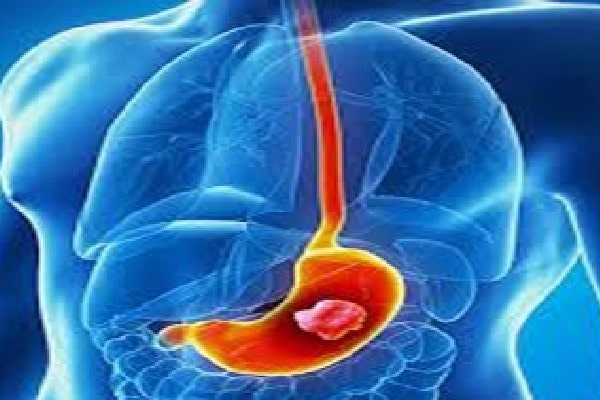
Advanced Gastrointestinal oncology surgery is a treatment of preventing, diagnosing, treating, and managing cancers of the gastrointestinal system. These include cancers of the colon, rectum, anus, bile ducts, gallbladder, liver, pancreas, small intestine, and stomach.
Dr Lohith U is one of the Best Gastrointestinal oncology Surgeon in Sarjapur, Bangalore, with over years of experience. He has performed more than 1000 GI oncology Surgeries in his career.
What Is Gastrointestinal Cancer?
Gastrointestinal (GI) cancer is a term used for cancers that affect the digestive system’s, gastrointestinal tract and other organs, including the oesophagus, pancreas, stomach, colon, rectum, anus, liver, and biliary system, and small intestine.
The GI cancer includes cancers of the following organs:
- Oesophagus
- Liver
- Gallbladder
- Stomach
- Biliary tract
- Small intestine
- Pancreas
- Colon
- Anus
- Rectum
Symptoms of Gastrointestinal Cancer
Symptoms of the Gastrointestinal will vary on the type of cancer a person has. Here are the general symptoms showed when cancer is affected.
- Abdominal pain and discomfort.
- Sudden variation in bowel habits, such as consistency, frequency or shape
- Blood in the stool
- Sudden Weight loss
- Bloating
- Vomiting
- Fatigue
- Indigestion
- Loss of appetite
- Swelling in your stomach
- Heartburn
- Constipation or diarrhea
- Weakness or feeling tired
- Yellowish eyes or skin
What are the Risk Factors Involved in Gastrointestinal Cancer
Here is the list of risk factors responsible for Gastrointestinal Cancer:
- Smoking and excessive alcohol consumption
- Obesity
- Those with Barrett's oesophagus
- Working in coal, metal, timber, or rubber industries
- Chronic pancreatitis
Advanced Gastrointestinal Oncology Surgery Treatment in Bangalore.
There are So many treatment options for curing GI cancer in the digestive and nearby areas, these are as follows:
- Surgical Processes
Cancer that does not spread to other parts then it can be treated using the Surgical process. This is the process of removing areas having malignancy.
The Surgical Treatment Available:
- Endoluminal Laser Process
This process involves removing cancerous tumours at an early stage, which are found in the digestive tract. Treatment is done with doing cuts on the body.
- Open Surgery
This technique involves treating cancer-affected areas using traditional methods.
- Laparoscopic Surgery
This is a minimally invasive surgery that involves less pain and advanced technology. It is the most recommended.
- Radiation therapy
Radiation therapy (also called radiotherapy) is a cancer treatment that uses high doses of radiation to kill cancer cells and shrink tumours. This is a widely used method.
Best GI Oncology Surgery Specialist in Sarjapur Road, Bangalore
Dr Lohith U is a renowned Gastrointestinal Oncology Surgeon & one of the Best Gastro Surgeons in Bangalore at Manipal Hospital, Sarjapur Road Bangalore Book an appointment now to get an affordable Gastrointestinal Oncology surgery.
Frequently Asked Questions
Gastrointestinal Oncology Surgery focuses on
the surgical treatment of cancers affecting the digestive
system, including the esophagus, stomach, small intestine,
colon, rectum, liver, pancreas, gallbladder, and bile ducts.
The surgical approach is planned based on the type, location,
and stage of the cancer.
No. While surgery is an important treatment for many
gastrointestinal cancers, not every patient
requires an operation. Depending on the stage of the disease,
treatment may involve chemotherapy, radiation therapy, targeted
therapy, immunotherapy, surgery, or a combination of these
approaches.
Cancer staging helps determine the size of the tumor, whether
it has spread to nearby lymph nodes, and if it has reached
other organs. Accurate staging is essential for planning the
most appropriate gastrointestinal oncology
treatment and deciding whether surgery is the best
option.
Yes. In selected cases,
laparoscopic gastrointestinal oncology surgery
or other minimally invasive techniques may be performed. These
approaches can offer benefits such as smaller incisions,
reduced postoperative discomfort, shorter hospital stays, and
quicker recovery when appropriate for the patient's condition.
Treatment for gastrointestinal cancers often
involves a multidisciplinary team that may include surgical
oncologists, gastroenterologists, medical oncologists,
radiation oncologists, radiologists, pathologists, and
nutrition specialists. This collaborative approach helps
develop a personalized treatment plan for each patient.
Some gastrointestinal cancers, particularly
colorectal cancer, may be detected early through recommended
screening tests such as colonoscopy. Maintaining a healthy
lifestyle, avoiding tobacco, limiting alcohol consumption, and
seeking medical attention for persistent digestive symptoms can
also help reduce risk.
Many patients with gastrointestinal cancer
experience changes in appetite, digestion, or weight. Proper
nutritional support before and after treatment helps maintain
strength, supports healing, improves tolerance to therapy, and
contributes to better recovery and quality of life.
The success of gastrointestinal oncology surgery
depends on several factors, including the type and stage of
cancer, the patient's overall health, early diagnosis, complete
tumor removal when possible, and adherence to the recommended
treatment and follow-up plan.
After gastrointestinal cancer surgery, patients
are monitored through scheduled follow-up visits, physical
examinations, imaging studies, blood tests, and other
investigations when required. Regular monitoring helps
evaluate recovery and identify any signs of recurrence at an
early stage.
Many patients gradually return to their normal daily routines
after completing gastrointestinal oncology
treatment. Recovery depends on the type of surgery,
additional treatments received, nutritional status, and
overall health. Following medical advice and maintaining a
healthy lifestyle support long-term recovery.