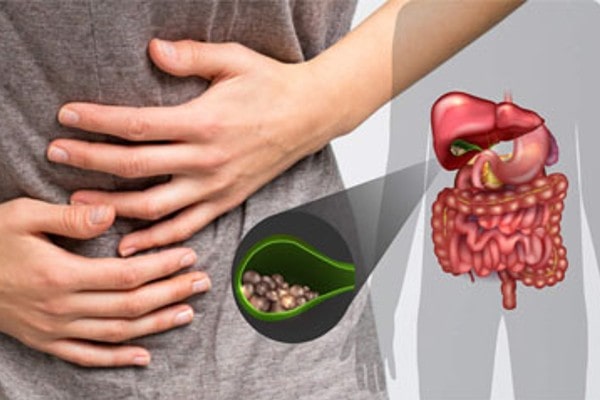
Gallstones are pieces of solid material that form in your gallbladder, a small organ under your liver. If you have them, you might hear your doctor say you have cholelithiasis.
Your gallbladder stores and releases bile, a fluid made in your liver, to help digestion. Bile also carries wastes like cholesterol and bilirubin, which your body makes when it breaks down red blood cells. These things can form gallstones.
Gallstones can range from the size of a grain of sand to that of a golf ball. You might not know that you have them until they block a bile duct, causing pain that needs treatment right away.
Commonly Asked Questions about Gallbladder and Gallstones
What does the gallbladder do?
The gallbladder stores bile and releases it in the small intestine after you eat, and this helps digest fat.
Does the gallbladder produce bile?
No. The bile fluid is made in the liver and kept in the gallbladder. A duct system that begins in the liver allows bile to move through the gallbladder.
What are gallstones?
Gallstones are a hardened deposit of gallbladder bile and vary in size from a sand grain to a golf ball.
How can gallstones affect you?
Sometimes, gallstones hinder the flow of the gallbladder. If this occurs, as the gallbladder contract to release the bile, you could be experiencing sharp pain or feel nausea. This usually happens after eating.
How long does the pain from gallbladder attacks last?
Specific gallbladder problems are not severe, meaning that the pain will disappear within a couple of minutes to a few hours. In contrast, some are more severe and require immediate medical attention. If you've already had an attack of the gallbladder and you are experiencing to experience more shortly.
How can you know if you have gallstones?
An ultrasound or CT scan can aid in determining gallstones.
Can you have gallbladder attacks without gallstones?
If the bile in the gallbladder is thick, it may be difficult for your bladder to release it quickly. In this case, the gallbladder can send the clear signals that it would when it was blocked by gallstones, which can cause symptoms that are similar to gallbladder attacks.
Can gallstones move out of the gallbladder?
Yes. It's a scarce but severe issue. After the gallbladder has been removed, it can obstruct the ducts that connect the liver and the intestine and cause a severe disease known as ascending cholangitis.
Gallstones are not preventable, and however, you can reduce development by following healthy lifestyle guidelines. Keeping your weight healthy through exercise and an appropriate diet is essential. Consult your physician regarding weight loss.