Hemorrhoids, also known as piles, are a common condition that affects millions of people worldwide. They can cause significant discomfort and impact the quality of life. Understanding the causes, symptoms, and treatment options for hemorrhoids is crucial for effective management. Dr. Lohith U, a renowned gastroenterologist in Bangalore, provides expert care and personalized treatment plans for those suffering from hemorrhoids.
What Are Hemorrhoids?
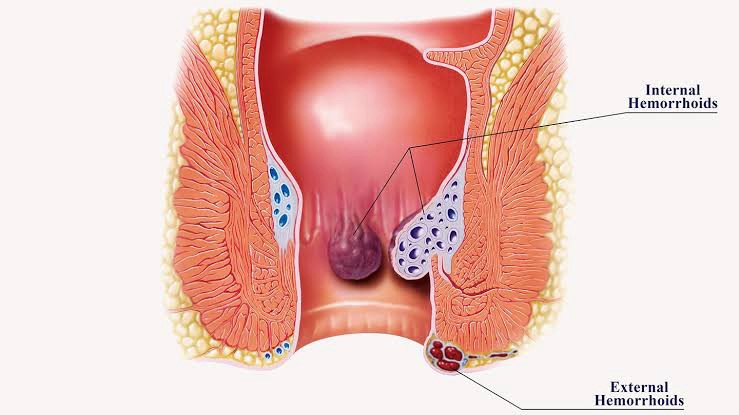
Hemorrhoids are swollen veins located around the anus or in the lower rectum. They can be classified into two main types:
- Internal Hemorrhoids: Located inside the rectum. Usually painless but can cause bleeding during bowel movements.
- External Hemorrhoids: Found under the skin around the anus. Can be painful and cause itching, swelling, and bleeding.
Causes of Hemorrhoids
Several factors can contribute to the development of hemorrhoids:
- Straining During Bowel Movements: Straining puts pressure on the veins in the rectal area, leading to swelling and the formation of hemorrhoids.
- Chronic Constipation or Diarrhea: Both conditions can cause increased strain and pressure on the rectal veins.
- Pregnancy: The increased pressure on the pelvic veins during pregnancy can lead to hemorrhoids.
- Obesity: Excess weight increases pressure on the lower rectal veins, contributing to the development of hemorrhoids.
- Prolonged Sitting: Sitting for long periods, especially on the toilet, can cause hemorrhoids.
- Aging: As people age, the tissues supporting the rectal veins can weaken, increasing the risk of hemorrhoids.
Symptoms of Hemorrhoids
The symptoms of hemorrhoids can vary depending on the type and severity. Common symptoms include:
- Bleeding during bowel movements (bright red blood)
- Itching or irritation around the anus
- Pain or discomfort
- Swelling around the anus
- A lump near the anus, which may be sensitive or painful
Diagnosis of Hemorrhoids
Diagnosing hemorrhoids typically involves a physical examination and a review of the patient’s medical history. Dr. Lohith U may perform the following:
- Visual Examination: A visual inspection of the anus and surrounding area to identify external hemorrhoids.
- Digital Rectal Exam: A gloved, lubricated finger is inserted into the rectum to feel for any abnormalities.
- Anoscopy: A small, tubular instrument called an anoscope is inserted into the rectum to provide a clear view of the internal hemorrhoids.
- Colonoscopy: In some cases, a colonoscopy may be recommended to rule out other potential causes of rectal bleeding.
Treatment Options for Hemorrhoids
Hemorrhoid treatment depends on the severity of the condition. Options range from lifestyle modifications to surgical interventions.
Lifestyle and Home Remedies
- Dietary Changes: Increasing fiber intake through fruits, vegetables, and whole grains can help soften stools and reduce straining.
- Hydration: Drinking plenty of water can prevent constipation and ease bowel movements.
- Exercise: Regular physical activity can improve digestion and reduce the risk of constipation.
- Warm Sitz Baths: Soaking the anal area in warm water for 10-15 minutes several times a day can relieve symptoms.
- Over-the-Counter Treatments: Creams, ointments, and suppositories can provide temporary relief from itching and pain.
Minimally Invasive Procedures
For persistent or severe hemorrhoids, minimally invasive procedures may be necessary:
- Rubber Band Ligation: A rubber band is placed around the base of the hemorrhoid to cut off its blood supply, causing it to wither and fall off.
- Sclerotherapy: A chemical solution is injected into the hemorrhoid to shrink it.
- Coagulation (Infrared, Laser, or Bipolar): Techniques that use heat or light to cause the hemorrhoid to harden and shrivel.
Surgical Options
For large or prolapsed hemorrhoids, surgical interventions may be required:
- Hemorrhoidectomy: Surgical removal of hemorrhoids, considered the most effective treatment for severe cases.
- Hemorrhoidopexy (Stapled Hemorrhoidectomy): A procedure that uses a stapling device to reposition and secure prolapsed hemorrhoids.
Preventing Hemorrhoids
Preventing hemorrhoids involves making lifestyle changes to reduce the risk factors:
- Adopt a High-Fiber Diet: Consuming plenty of fiber helps prevent constipation.
- Stay Hydrated: Drinking enough water keeps stools soft.
- Exercise Regularly: Physical activity promotes healthy bowel movements.
- Avoid Prolonged Sitting: Take breaks to stand and move around if you have a sedentary job.
- Practice Good Toilet Habits: Avoid straining and spending too much time on the toilet.
Contact Dr. Lohith U for Expert Hemorrhoid Care
If you are experiencing symptoms of hemorrhoids, it is essential to seek professional medical advice. Dr. Lohith U, a leading gastroenterologist in Bangalore, offers expert diagnosis and personalized treatment plans to manage and treat hemorrhoids effectively.
Take control of your health and alleviate the discomfort of hemorrhoids by consulting Dr. Lohith U, the best gastroenterologist in Bangalore. With expert care and a compassionate approach, Dr. Lohith U can help you achieve optimal digestive health and well-being.