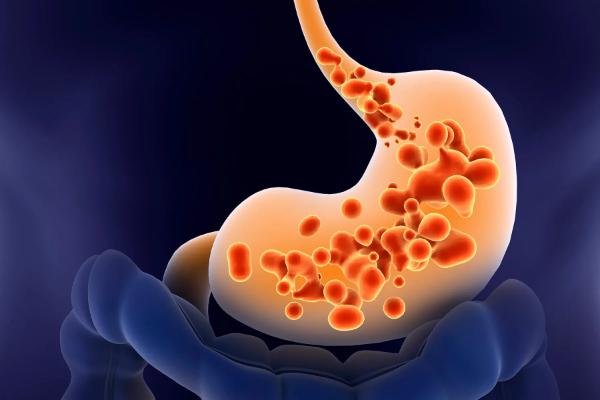
Acidity and heartburn are common digestive problems that many people experience occasionally. However, when acid reflux occurs frequently and starts affecting daily life, it may indicate a more serious condition known as Gastroesophageal Reflux Disease (GERD).
GERD is a chronic digestive disorder where stomach acid flows back into the esophagus, causing irritation and discomfort. If left untreated, it can lead to complications affecting the esophagus and overall digestive health.
In this blog, we will discuss the symptoms, causes, risk factors, diagnosis, and treatment options for GERD.
What is GERD?
GERD occurs when the lower esophageal sphincter (LES) — a muscle that acts like a valve between the esophagus and stomach — becomes weak or relaxes abnormally.
When this happens, stomach acid flows back into the esophagus, leading to symptoms such as heartburn and regurgitation.
Occasional acid reflux is common, but when it occurs more than twice a week, it may be considered GERD.
Common Symptoms of GERD
The symptoms of GERD can vary from mild discomfort to severe irritation of the esophagus.
Some of the most common symptoms include:
- Burning sensation in the chest (heartburn)
- Acidic taste in the mouth
- Regurgitation of food or sour liquid
- Difficulty swallowing
- Chest discomfort after meals
- Chronic cough
- Hoarseness or sore throat
Symptoms often worsen after eating heavy meals, lying down, or bending over.
Causes of GERD
Several factors can contribute to the development of GERD.
Weak Lower Esophageal Sphincter
When the valve between the stomach and esophagus becomes weak, acid can easily flow backward.
Obesity
Excess weight increases pressure on the stomach, which can push acid into the esophagus.
Poor Eating Habits
Eating large meals or lying down immediately after eating can trigger acid reflux.
Certain Foods
Some foods can worsen GERD symptoms, including:
- Spicy foods
- Fried foods
- Chocolate
- Caffeine
- Carbonated drinks
- Citrus fruits
Risk Factors for GERD
Some people are more likely to develop GERD due to certain risk factors, including:
- Smoking
- Pregnancy
- Hiatal hernia
- Obesity
- Frequent consumption of fatty foods
- Certain medications
Managing these risk factors can help reduce symptoms.
Complications of Untreated GERD
If GERD is not treated properly, it can lead to serious complications such as:
Esophagitis
Inflammation of the esophagus caused by repeated acid exposure.
Esophageal Stricture
Long-term irritation may cause narrowing of the esophagus, making swallowing difficult.
Barrett’s Esophagus
A condition where the lining of the esophagus changes due to chronic acid exposure and may increase the risk of esophageal cancer.
Early treatment helps prevent these complications.
Diagnosis of GERD
Doctors may recommend several tests to confirm GERD and evaluate the condition of the esophagus.
These tests may include:
- Upper GI endoscopy
- pH monitoring test
- Esophageal manometry
- Barium swallow X-ray
These tests help identify the severity of reflux and guide treatment decisions.
Treatment Options for GERD
Treatment for GERD focuses on reducing acid reflux and healing the esophagus.
Lifestyle Changes
Many patients can manage GERD symptoms with simple lifestyle changes such as:
- Eating smaller meals
- Avoiding late-night eating
- Losing excess weight
- Avoiding trigger foods
- Elevating the head while sleeping
Medications
Doctors may prescribe medications such as:
- Antacids
- Proton pump inhibitors (PPIs)
- H2 blockers
These medications help reduce acid production and relieve symptoms.
Surgical Treatment
In severe cases where medications and lifestyle changes are not effective, surgery may be recommended.
Procedures such as laparoscopic fundoplication help strengthen the valve between the stomach and esophagus to prevent acid reflux.
When Should You See a Doctor?
You should consult a specialist if you experience:
- Heartburn more than twice a week
- Difficulty swallowing
- Persistent chest discomfort
- Chronic cough or throat irritation
- Symptoms that do not improve with medication
Early diagnosis and treatment can help prevent long-term complications.
Expert Care for Digestive Health
Digestive problems such as GERD should not be ignored, especially when symptoms persist or worsen over time. Proper evaluation by an experienced specialist ensures accurate diagnosis and effective treatment.
If you are experiencing frequent acidity, heartburn, or other digestive concerns, consulting Dr Lohith U, an experienced gastro surgeon in Bangalore, can help you receive advanced diagnosis and treatment for gastrointestinal conditions.