Introduction
Are you set to undergo surgery within the next few days? One of the most important aspects of making preparations for surgery is knowing the possibilities open to you.
Although a doctor is the best person to determine the best procedure for you, asking questions regarding your process is normal. You may have many questions about the damage you sustained during the course and the pain after surgery, and even the procedure itself.
Any question is essential, so don't hesitate to inquire with your physician. The most important thing to consider for anyone scheduled for surgery is: how do you feel about the surgery is it?
The doctor you see may have advised you about two surgical options: laparoscopic and open. Find out which procedure is best suited to your needs.
What is open surgery?
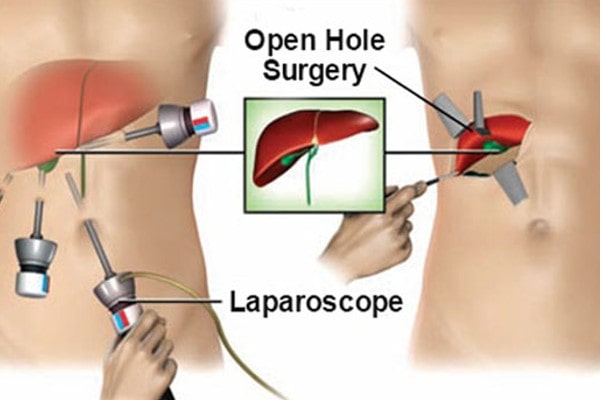
This is the most common procedure in which a massive incision is created to repair or replace tissues or organs in your body. It is a considerable procedure that requires the surgeon to employ a scalpel to make an incision more significant than 10 inches to get accessibility to the organ. The instruments used during open surgery are utilized to fix the damage to the organs.
Open surgeries are almost essential for transplant surgeries because larger incisions are needed to remove the damaged organ to replace it with an appropriate or healthy substitute.
What is laparoscopic surgery?
Laparoscopic operation is a procedure that involves instruments for access (trocars) are introduced through the abdomen using tiny (less than one centimeter) incisions. Through these trocars, laparoscope instruments, which are long and narrow, are presented. The surgeon utilizes the tools to manipulate, cut, suture, or staple tissue.
Laparoscopy is performed under a general anesthetic. Therefore, there is no pain throughout the procedure.
The difference between Laparoscopic and open surgery can be understood through the reasons and advantages of both.
The benefits of open surgery are a classic procedure that is perfect for those suffering from chronic diseases. For an instant, heart transplants can only be performed with open surgery. Because the incisions are extensive, they allow surgeons greater access to organs, and consequently, the procedure is less invasive. The same reason is why the chance of infection to other organs is virtually nonexistent when performing open surgery.
Laparoscopic surgery has many advantages: The main benefit of laparoscopic surgery can be that it is less invasive, which means it is less painful. The procedure heals faster and does not leave large scars. Because the incisions aren't large and small, you're less likely to lose a significant amount of blood in the course of surgery. Laparoscopy is often also cheaper in comparison to surgery open.
Open v/s laparoscopic surgery, what should I choose?
In most cases, the doctor will inform you of the best possibilities available for the procedure. It's always recommended to follow the physician's recommendations.
What type of surgery is best for you will depend on the goal of the procedure and the severity of the illness? If the purpose of the surgery is to identify a condition, the laparoscopic approach is sufficient. Laparoscopic surgery is also an ideal option for appendicitis, hysterectomy, or angioplasty procedure and removal of tumors or cysts.
If, however, your illness is persistent and has resulted in severe muscle or tissue damage, surgery may aid in treating the problem better. The procedure is open to every major organ, including the kidney, heart or brain, and hernia. Open surgery is preferred when you've had surgery previously.
Get advice from your doctor and your family. Select a procedure within the mind, the amount of time it will take to heal, and the possibility of having surgery shortly.
Conclusion
Surgery is a major life-altering event that can change your life to the best of your ability. However, there are prices for all the great things, and pain is only the most painful. When deciding what kind of surgery, you'd like, note that your healing and recovery time is contingent on the procedure.
Nowadays, surgeons are more inclined to laparoscopic procedures because they are more sophisticated and efficient. The time to heal is also minimal. It's a good choice for patients because smaller incisions can mean less suffering and faster recovery. The laparoscopy procedure is kinder to the pocket, and it is worth considering it when making your decision. There is a widespread belief that laparoscopy surgery is costly.
Your physician may recommend undergoing an open procedure if there is significant organ damage. For instance, a powerful heart attack could cause a substantial portion of the heart muscles to be ineffective. In these cases, the laparoscopy procedure is insufficient to treat all muscles. Make sure you consult your physician. Do not worry about cost, particularly if you have health insurance.