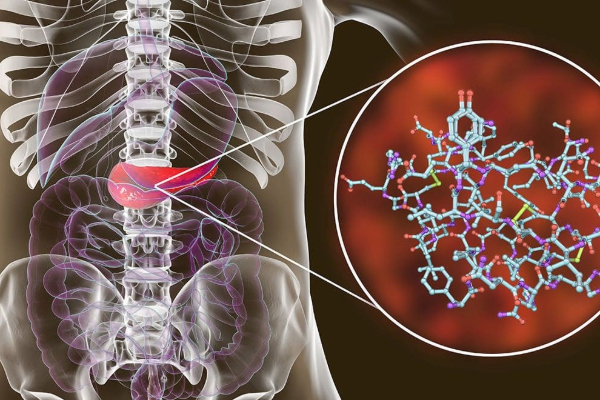
Understanding a Growing Health Concern
While most people are familiar with fatty liver disease, few have heard of fatty pancreas, an emerging health condition that is increasingly being detected during routine health checkups and abdominal scans. As obesity, diabetes, and metabolic disorders continue to rise in India, healthcare professionals are observing a growing number of patients with fat accumulation in the pancreas.
Although fatty pancreas often does not cause symptoms in its early stages, it may increase the risk of diabetes, chronic pancreatitis, pancreatic dysfunction, and other metabolic complications if left unaddressed.
As a leading Gastrointestinal and Laparoscopic Surgeon in Bangalore, Dr. Lohith believes that awareness, early diagnosis, and lifestyle modifications are key to preventing long-term complications associated with pancreatic health.
What Is Fatty Pancreas?
Fatty pancreas, medically known as Pancreatic Steatosis or Non-Alcoholic Fatty Pancreatic Disease (NAFPD), occurs when excess fat accumulates within the pancreas.
The pancreas is a vital organ located behind the stomach. It plays two important roles:
- Producing digestive enzymes that help break down food
- Producing hormones such as insulin that regulate blood sugar levels
When fat accumulates within pancreatic tissue, these functions may become impaired over time.
Why Is Fatty Pancreas Becoming More Common?
Modern lifestyles have contributed significantly to the increasing prevalence of fatty pancreas.
Several factors are driving this trend:
- Sedentary lifestyle
- Increasing obesity rates
- High-calorie diets
- Processed food consumption
- Type 2 diabetes
- Insulin resistance
- Metabolic syndrome
- Lack of physical activity
The same lifestyle factors responsible for fatty liver disease are often associated with fatty pancreas.
What Causes Fatty Pancreas?
There is no single cause, but several risk factors increase the likelihood of developing pancreatic fat accumulation.
Obesity
Excess body fat is one of the strongest predictors of fatty pancreas.
Type 2 Diabetes
High blood sugar levels and insulin resistance are closely linked to pancreatic fat deposition.
Metabolic Syndrome
Individuals with:
- High blood pressure
- High cholesterol
- Increased waist circumference
- Elevated blood sugar
are at higher risk.
Unhealthy Diet
Diets rich in:
- Sugary beverages
- Fast foods
- Refined carbohydrates
- Saturated fats
can contribute to fat accumulation within the pancreas.
Aging
The prevalence of fatty pancreas tends to increase with age.
Genetic Factors
Some individuals may have a higher genetic predisposition to metabolic disorders affecting the pancreas.
Symptoms of Fatty Pancreas
One of the biggest challenges is that fatty pancreas often develops silently.
Many patients experience no symptoms at all.
When symptoms do occur, they may include:
- Persistent abdominal discomfort
- Upper abdominal pain
- Bloating
- Indigestion
- Nausea
- Unexplained fatigue
- Difficulty controlling blood sugar levels
These symptoms are often non-specific and can mimic other gastrointestinal disorders.
How Is Fatty Pancreas Diagnosed?
Fatty pancreas is frequently discovered incidentally during imaging studies performed for unrelated reasons.
Ultrasound
An abdominal ultrasound may suggest fatty infiltration of the pancreas.
CT Scan
CT imaging provides detailed information regarding fat deposition.
MRI Scan
MRI offers highly accurate visualization of pancreatic tissue.
Blood Tests
While no blood test specifically diagnoses fatty pancreas, laboratory investigations help assess:
- Blood sugar levels
- Lipid profile
- Pancreatic function
- Liver health
Comprehensive Gastrointestinal Evaluation
An experienced gastro specialist can determine whether pancreatic changes are associated with underlying metabolic disorders.
Fatty Pancreas vs Fatty Liver: What Is the Difference?
Although both conditions involve abnormal fat accumulation, they affect different organs.
|
Feature |
Fatty Pancreas |
Fatty Liver |
|---|---|---|
|
Organ affected |
Pancreas |
Liver |
|
Main function |
Digestion and insulin production |
Metabolism and detoxification |
|
Diabetes risk |
High |
Moderate |
|
Common association |
Insulin resistance |
Obesity and metabolic syndrome |
|
Detection |
Ultrasound, CT, MRI |
Ultrasound, FibroScan |
Many patients develop both conditions simultaneously.
Is Fatty Pancreas Dangerous?
Research suggests that fatty pancreas may increase the risk of several health problems.
Increased Risk of Type 2 Diabetes
Fat accumulation may affect insulin-producing cells within the pancreas.
Chronic Inflammation
Excess fat can promote inflammatory changes within pancreatic tissue.
Pancreatic Dysfunction
Digestive enzyme production may become impaired.
Higher Risk of Acute Pancreatitis
Some studies suggest an association between pancreatic fat and severe pancreatitis.
Metabolic Complications
Fatty pancreas often reflects broader metabolic dysfunction that affects multiple organs.
Can Fatty Pancreas Be Reversed?
In many cases, yes.
Unlike irreversible pancreatic damage, early fatty infiltration may improve with lifestyle modifications.
The sooner intervention begins, the greater the chance of improvement.
Treatment for Fatty Pancreas
There is currently no specific medication designed exclusively to treat fatty pancreas.
Treatment focuses on addressing underlying risk factors.
Weight Reduction
Losing excess weight can significantly reduce fat accumulation in the pancreas.
Even modest weight loss may improve metabolic health.
Healthy Eating Habits
Patients are encouraged to consume:
Recommended Foods
- Fresh vegetables
- Fruits
- Whole grains
- Lean proteins
- Fish rich in omega-3 fatty acids
- Nuts and seeds
Foods to Limit
- Sugary beverages
- Processed snacks
- Fast food
- Deep-fried foods
- Excess sweets
A balanced diet supports both pancreatic and overall digestive health.
Regular Physical Activity
Exercise helps improve:
- Insulin sensitivity
- Weight management
- Blood sugar control
- Cholesterol levels
Experts generally recommend at least 150 minutes of moderate exercise per week.
Diabetes Management
Strict blood sugar control can help prevent further pancreatic damage.
Patients with diabetes should work closely with their healthcare provider for regular monitoring.
Cholesterol Management
Managing abnormal lipid levels reduces metabolic stress on the pancreas.
Avoid Smoking and Excess Alcohol
Both habits can negatively affect pancreatic health and increase the risk of complications.
Warning Signs That Require Medical Attention
Consult a gastro specialist if you experience:
- Persistent abdominal pain
- Recurrent digestive problems
- Sudden unexplained weight loss
- Difficulty controlling diabetes
- Recurrent pancreatitis
- Persistent nausea or vomiting
Early evaluation can help identify underlying pancreatic disorders before complications occur.
How to Keep Your Pancreas Healthy
Simple lifestyle measures can significantly reduce your risk:
Maintain a Healthy Weight
Weight control remains one of the most effective preventive strategies.
Stay Physically Active
Regular movement supports metabolic health.
Eat a Balanced Diet
Focus on nutrient-dense foods and reduce processed food consumption.
Control Blood Sugar
Proper diabetes management protects pancreatic function.
Schedule Regular Health Checkups
Routine screenings can identify metabolic disorders before symptoms develop.
Why Awareness Matters
Unlike many digestive conditions, fatty pancreas often remains undetected until imaging studies reveal its presence. As obesity and diabetes rates continue to rise in Bangalore and across India, awareness about pancreatic health has become increasingly important.
Early diagnosis allows patients to make meaningful lifestyle changes that may improve pancreatic function and reduce the risk of future complications.
Expert Care for Pancreatic and Digestive Health in Bangalore
Dr. Lohith specializes in the diagnosis and management of gastrointestinal disorders, offering comprehensive evaluation and personalized treatment plans tailored to each patient’s needs. Through advanced diagnostic techniques, patient education, and evidence-based care, patients can better understand their digestive health and take proactive steps toward long-term wellness.
If you have concerns about abdominal symptoms, metabolic health, or pancreatic conditions, seeking expert medical advice can help ensure timely diagnosis and appropriate treatment.
Frequently Asked Questions (FAQs)
Can fatty pancreas cause diabetes?
Yes. Fat accumulation within the pancreas may affect insulin-producing cells, increasing the risk of Type 2 Diabetes.
Is fatty pancreas common in younger adults?
It is becoming increasingly common among younger individuals due to obesity, sedentary lifestyles, and poor dietary habits.
Can fatty pancreas be seen on ultrasound?
Yes. Ultrasound is often the first imaging test that may detect fatty infiltration of the pancreas.
Does fatty pancreas cause abdominal pain?
Some patients may experience abdominal discomfort, bloating, or indigestion, although many remain symptom-free.
Is fatty pancreas reversible?
Early-stage fatty pancreas may improve significantly through weight loss, exercise, and lifestyle modifications.
Are fatty liver and fatty pancreas related?
Yes. Many patients with fatty liver disease also develop fatty pancreas because both conditions share common risk factors.
What foods should be avoided with fatty pancreas?
Processed foods, sugary drinks, deep-fried items, and excessive refined carbohydrates should be limited.
When should I consult a gastro specialist?
Seek medical advice if you have persistent digestive symptoms, unexplained abdominal discomfort, metabolic disorders, or abnormal findings on imaging studies.