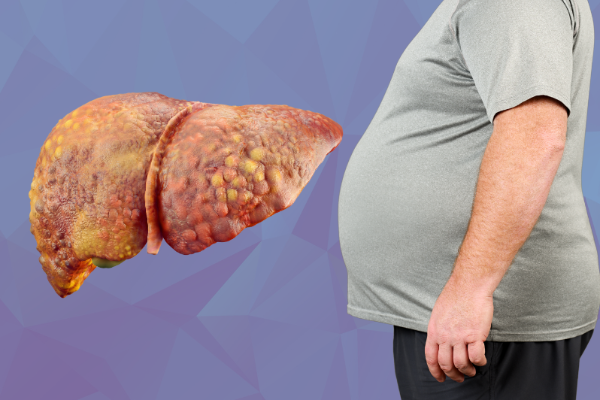
Fatty liver disease is becoming increasingly common due to modern lifestyle habits such as unhealthy diets, lack of physical activity, and obesity. It occurs when excess fat accumulates in the liver cells, affecting the liver’s ability to function properly.
While fatty liver may not cause noticeable symptoms in the early stages, it can progress to serious liver problems if left untreated. Early diagnosis and lifestyle changes play a crucial role in preventing complications.
In this blog, we will discuss the causes, symptoms, stages, diagnosis, and treatment options for fatty liver disease.
What is Fatty Liver Disease?
Fatty liver disease occurs when fat builds up in the liver beyond normal levels. Normally, the liver contains small amounts of fat, but when fat makes up more than 5–10% of the liver’s weight, it is considered fatty liver disease.
There are two main types of fatty liver disease:
Non-Alcoholic Fatty Liver Disease (NAFLD)
This type occurs in people who drink little or no alcohol. It is commonly associated with obesity, diabetes, and metabolic syndrome.
Alcoholic Fatty Liver Disease
This occurs due to excessive alcohol consumption, which damages liver cells and leads to fat accumulation.
Both conditions require medical attention to prevent progression to more serious liver damage.
Causes of Fatty Liver Disease
Several factors contribute to the development of fatty liver disease, including:
- Obesity or overweight
- High cholesterol levels
- Type 2 diabetes
- Poor dietary habits
- Lack of physical activity
- Excessive alcohol consumption
- Rapid weight loss
- Certain medications
Lifestyle factors play a major role in fatty liver disease.
Symptoms of Fatty Liver Disease
Fatty liver disease often develops silently without obvious symptoms. However, as the condition progresses, some people may experience:
- Fatigue or weakness
- Pain or discomfort in the upper right abdomen
- Unexplained weight loss
- Loss of appetite
- Abdominal swelling
- Yellowing of skin or eyes (in advanced stages)
Many patients discover fatty liver during routine health check-ups.
Stages of Fatty Liver Disease
Fatty liver disease progresses through different stages if left untreated.
Stage 1: Simple Fatty Liver (Steatosis)
Fat accumulates in the liver without causing inflammation or damage.
Stage 2: Non-Alcoholic Steatohepatitis (NASH)
In this stage, fat accumulation causes liver inflammation and damage.
Stage 3: Fibrosis
Scar tissue begins forming in the liver due to long-term inflammation.
Stage 4: Cirrhosis
Severe scarring of the liver occurs, which can lead to liver failure and other serious complications.
Early diagnosis helps prevent progression to advanced stages.
How is Fatty Liver Diagnosed?
Doctors use several tests to diagnose fatty liver disease, including:
- Blood tests to check liver enzymes
- Ultrasound scan of the abdomen
- CT scan or MRI
- FibroScan to assess liver stiffness
- Liver biopsy in certain cases
These tests help determine the severity of liver damage.
Treatment Options for Fatty Liver
Currently, there is no specific medication to completely cure fatty liver disease. Treatment mainly focuses on improving lifestyle and controlling risk factors.
Lifestyle Changes
The most effective way to manage fatty liver is through lifestyle modification, including:
- Maintaining a healthy weight
- Eating a balanced diet
- Exercising regularly
- Avoiding alcohol
- Controlling blood sugar and cholesterol levels
Dietary Recommendations
Patients with fatty liver are advised to:
- Eat more fruits and vegetables
- Choose whole grains
- Reduce sugar and processed foods
- Avoid fried and fatty foods
- Drink plenty of water
Medical Management
Doctors may prescribe medications to manage conditions such as diabetes, high cholesterol, or obesity that contribute to fatty liver disease.
When Should You See a Doctor?
You should consult a specialist if you experience:
- Persistent fatigue
- Unexplained abdominal discomfort
- Abnormal liver test results
- Risk factors such as obesity or diabetes
Early diagnosis can help prevent serious liver complications.
Expert Care for Liver Health
Liver diseases such as fatty liver should not be ignored, especially when risk factors are present. Early diagnosis and proper medical guidance are essential for protecting liver health.
If you are experiencing symptoms or have been diagnosed with fatty liver disease, consulting Dr Lohith U can help you receive expert evaluation and advanced treatment for digestive and liver conditions.
Frequently Asked Questions (FAQs)
1. Can fatty liver disease be reversed?
Yes, in the early stages fatty liver disease can often be reversed with weight loss, a healthy diet, and regular exercise.
2. Is fatty liver dangerous?
If untreated, fatty liver can progress to inflammation, fibrosis, and even cirrhosis of the liver.
3. How long does it take to reverse fatty liver?
With proper lifestyle changes, improvement can be seen within a few months.
4. What foods should be avoided in fatty liver?
Patients should avoid fried foods, sugary drinks, processed foods, alcohol, and high-fat diets.
5. Is fatty liver common in young people?
Yes, due to sedentary lifestyles and unhealthy diets, fatty liver is increasingly seen in younger individuals.